Table of Contents
Introduction
Even as a temporary ceasefire comes into effect between the United States and Iran, the Iran US Ceasefire Warning has sent a strong signal across the globe—this is only a pause, not peace.
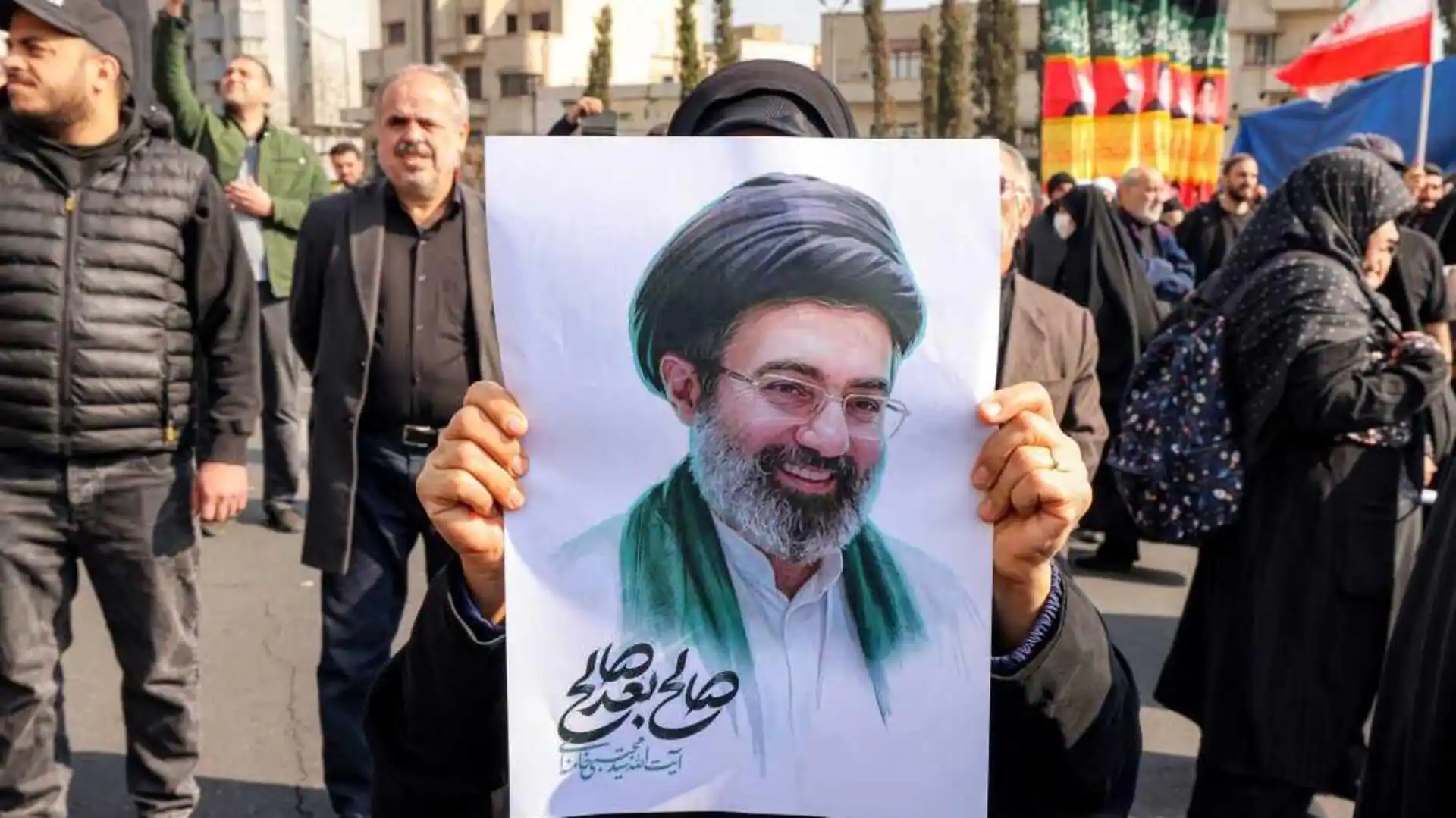
Iran’s Supreme Leader, Mojtaba Khamenei, has ordered military forces to halt operations under the agreement, but emphasised clearly that the war is far from over.
Ceasefire Ordered, But Tensions Remain
Under the Iran US Ceasefire Warning, Iranian forces have been directed to immediately stop military action for the agreed two-week period.
However, the leadership has clarified:
“This is not the end of the war.”
This statement reinforces that Iran remains cautious and prepared despite agreeing to the ceasefire.
‘Hands Still on the Trigger’
Iran’s Supreme National Security Council strengthened the Iran US Ceasefire Warning by stating that the country remains on full alert.
Key points include:
- A ceasefire does not mean the conflict has ended
- Iran is ready to respond instantly to any threat
- Any violation will be met with full force
Officials also claimed that Iran has already achieved most of its war objectives, projecting confidence going into negotiations.
Conflict Background
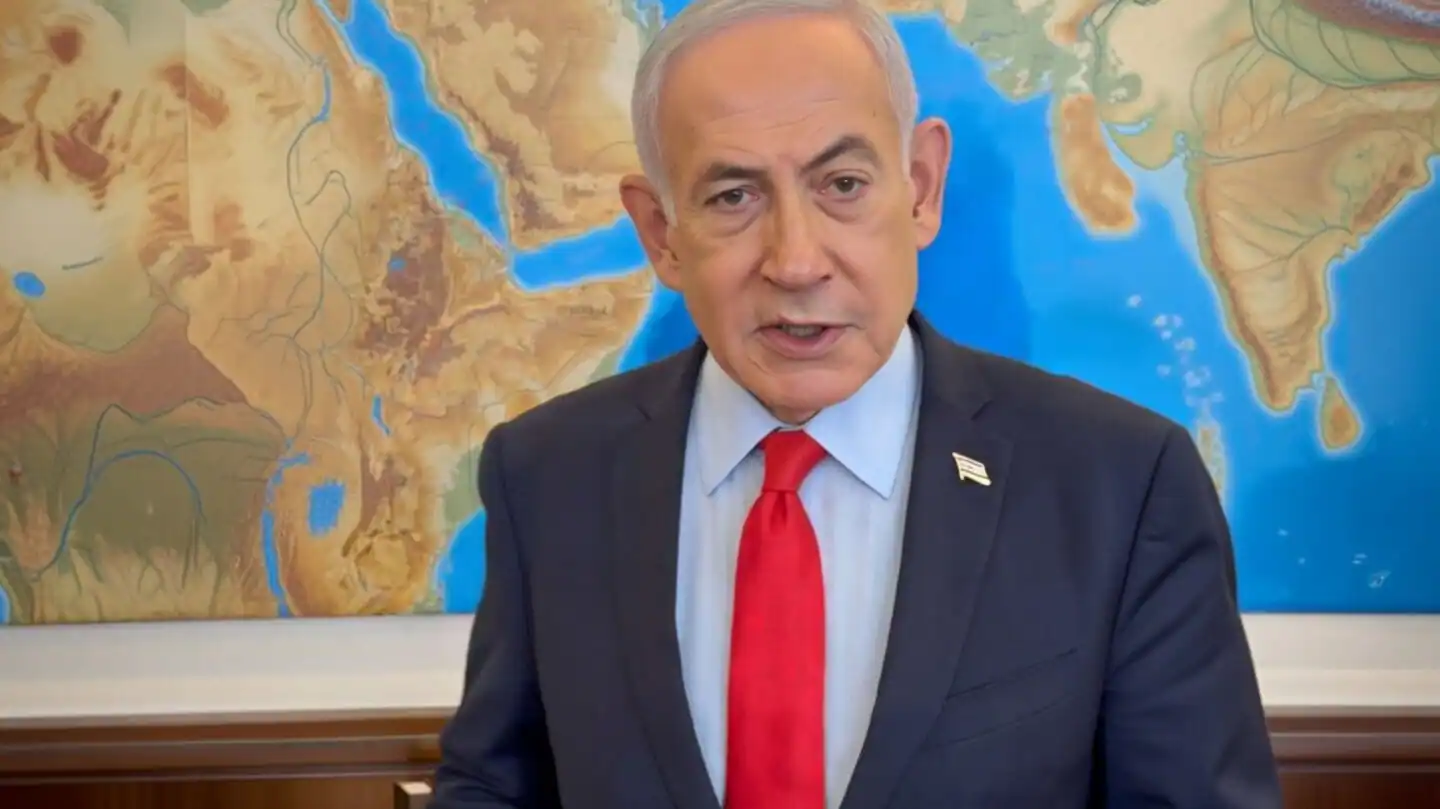
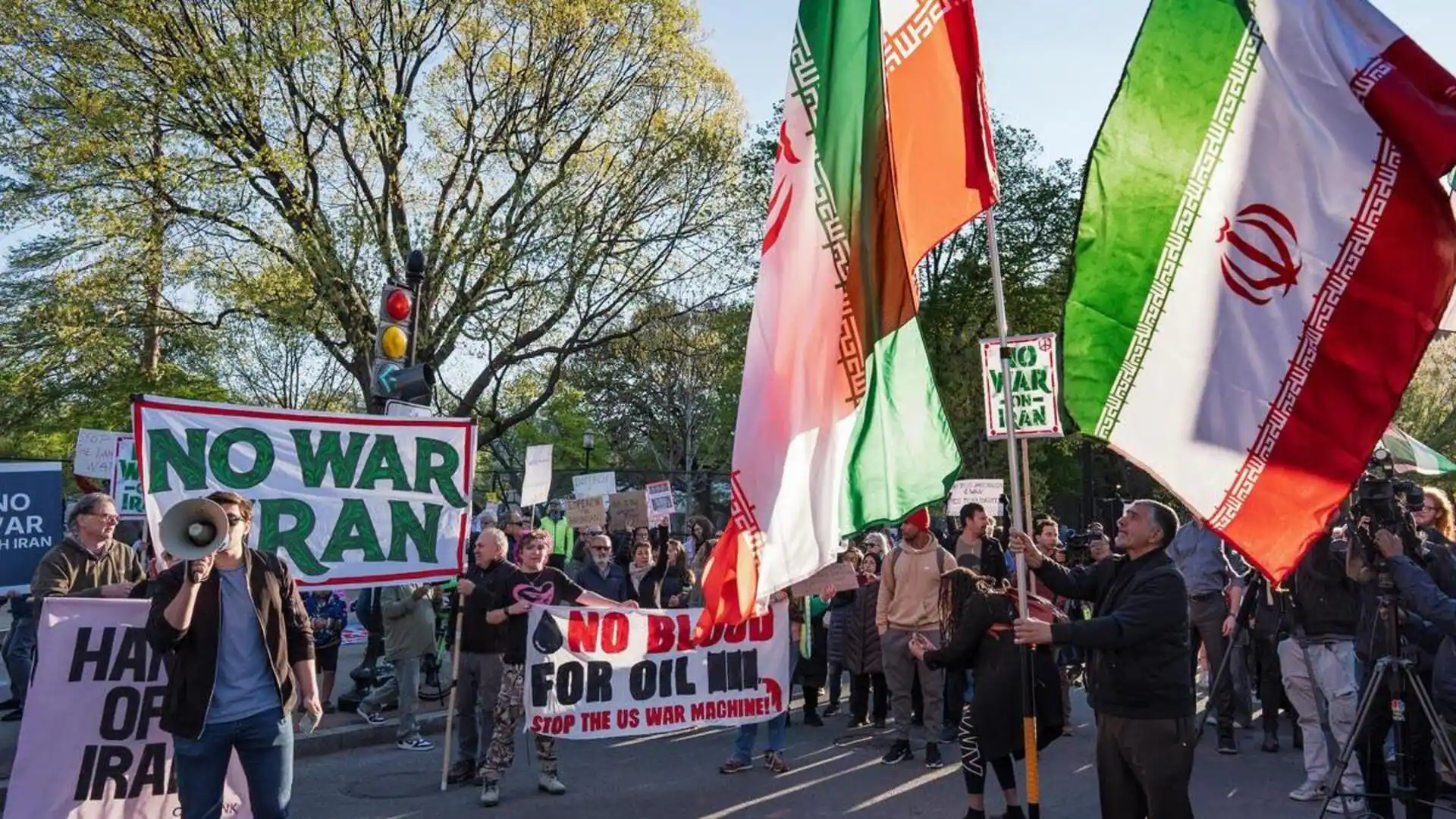
The Iran US Ceasefire Warning comes after nearly 39 days of intense conflict involving the United States and Israel.
The war, which began on February 28, resulted in widespread casualties and heightened regional instability.
Following US proposals, Iran introduced a 10-point plan outlining conditions for long-term peace.
Iran’s Key Demands
As part of the Iran US Ceasefire Warning, Tehran has made it clear that a permanent end to hostilities depends on meeting its core demands:
- Controlled passage through the Strait of Hormuz
- Withdrawal of US forces from regional bases
- Complete lifting of sanctions
- Compensation for damages
- Release of Iranian assets abroad
These demands will play a crucial role in upcoming negotiations.
High-Stakes Talks Ahead
Negotiations are scheduled to begin in Islamabad on April 10 and will continue for two weeks.
Iran has called for unity during this period, while also warning that failure in talks could reignite the conflict, further reinforcing the Iran US Ceasefire Warning.
US Conditions for Ceasefire
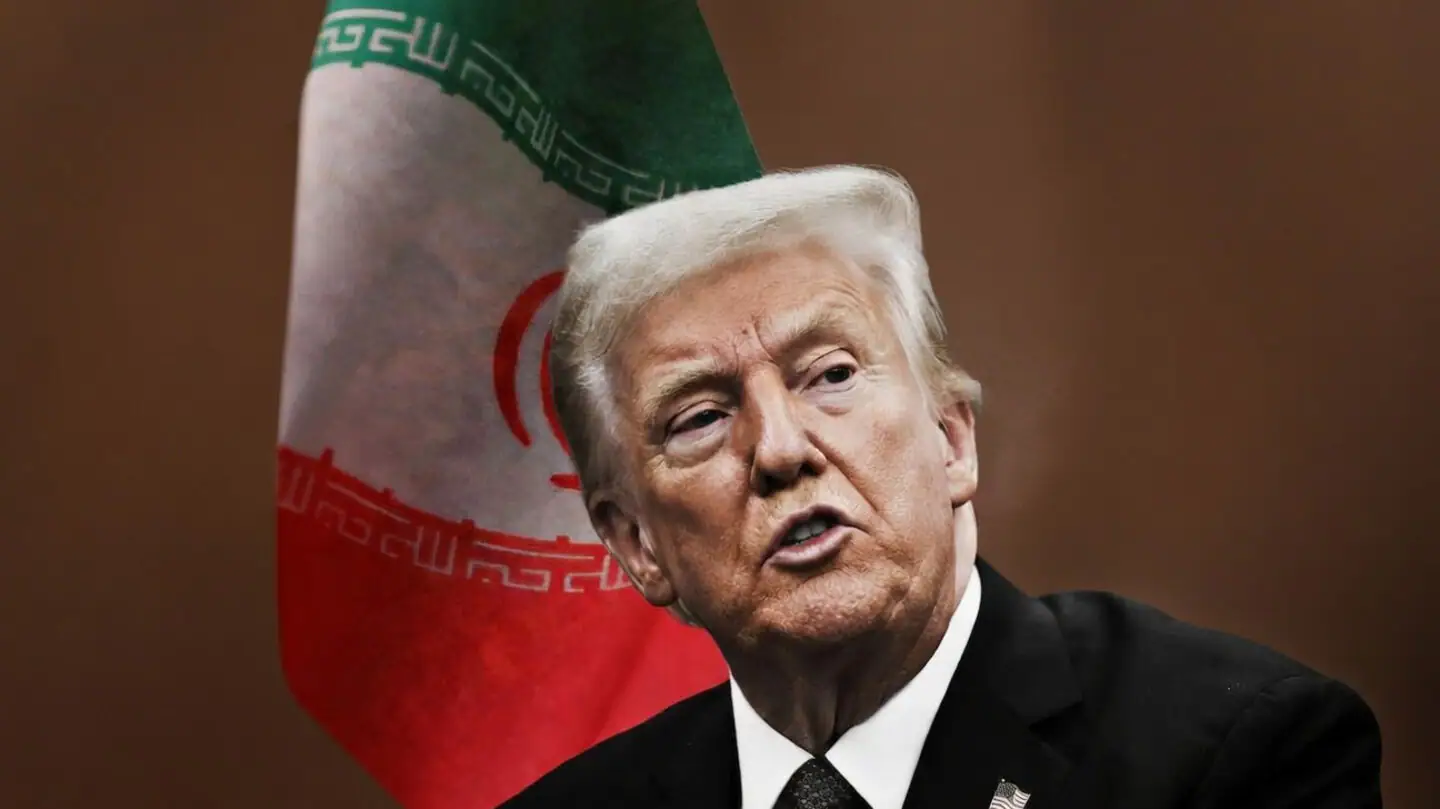
US President Donald Trump described the agreement as a “double-sided ceasefire,” stating that the US has achieved most of its military objectives.
However, the deal remains conditional. Iran must ensure the safe and complete reopening of the Strait of Hormuz, a critical global trade route.
Final Thoughts
The Iran US Ceasefire Warning highlights the fragile and uncertain nature of the current situation. While the ceasefire offers temporary relief, strong statements from Iran indicate that tensions remain high.
Unless negotiations lead to concrete outcomes, this pause could quickly turn back into renewed conflict.