Table of Contents
Introduction
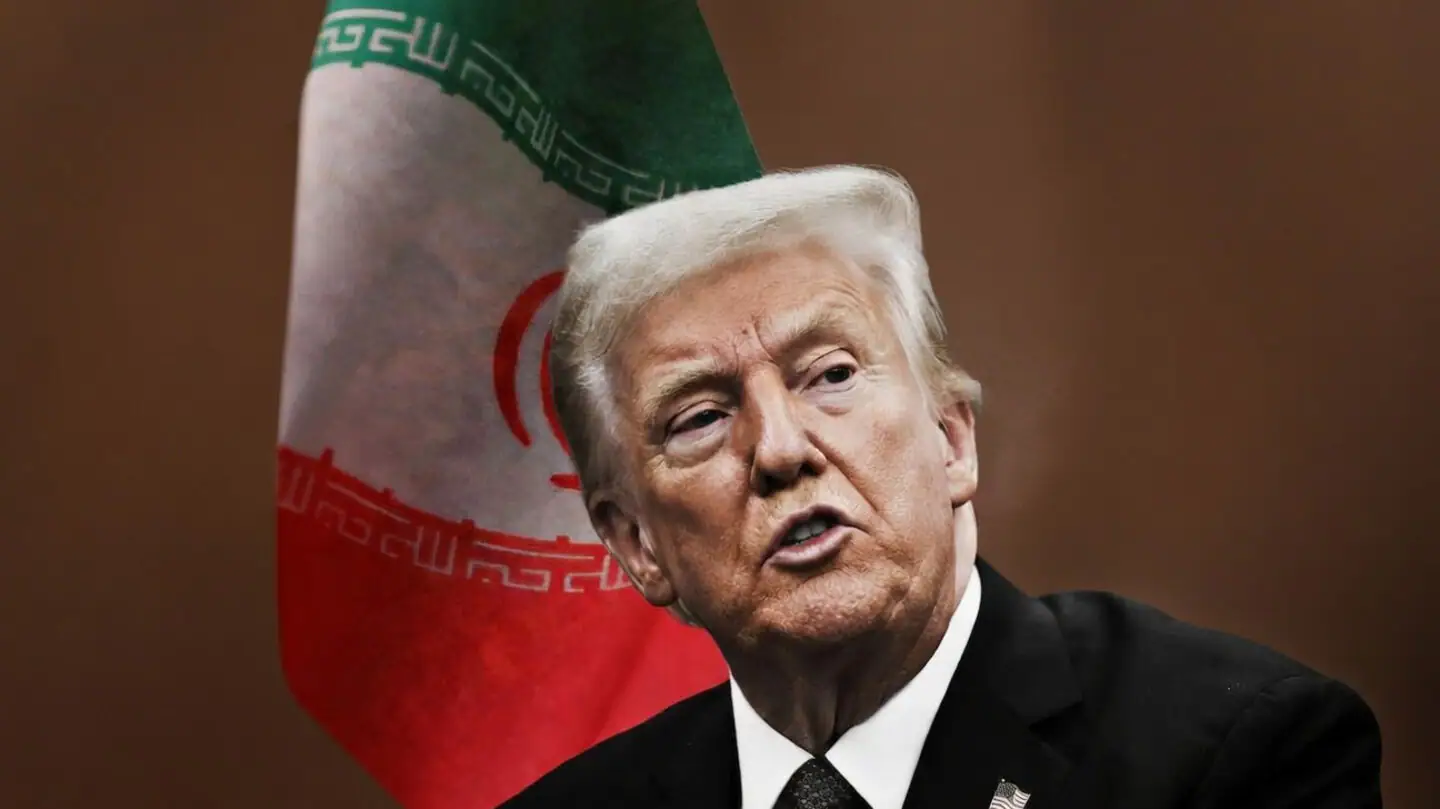
In a significant geopolitical development, the United States and Iran have agreed to a US Iran 2-Week Ceasefire Deal, offering a temporary pause in escalating conflict.
The announcement was made by Donald Trump, who confirmed that the decision followed key discussions with Shehbaz Sharif and Asim Munir.
Ceasefire Announcement and Conditions
According to Trump, the US Iran 2-Week Ceasefire Deal is conditional and depends heavily on Iran’s actions.
The most critical requirement is:
- Complete, immediate, and safe reopening of the Strait of Hormuz
Trump emphasised that the ceasefire would be “double-sided,” meaning both nations must adhere strictly to its terms.
He also stated that the US has already achieved its key military objectives and is now moving toward a broader peace agreement.
Iran Accepts Ceasefire Terms
Iran has signalled its acceptance of the US Iran 2-Week Ceasefire Deal, with Seyed Abbas Araghchi confirming that Iranian forces will halt defensive operations—but only if attacks against Iran stop.
He also acknowledged Pakistan’s diplomatic efforts, highlighting their role in facilitating dialogue and reducing tensions.
Role of Negotiations and Proposals
The ceasefire builds on ongoing diplomatic exchanges, including:
- A 15-point proposal from the US
- A revised 10-point proposal from Iran
Trump described Iran’s proposal as a “workable basis” for negotiations, suggesting that both sides are closer to a long-term agreement than before.
The two-week window is intended to finalise and formalise a comprehensive peace deal.
Strait of Hormuz Reopening Plan
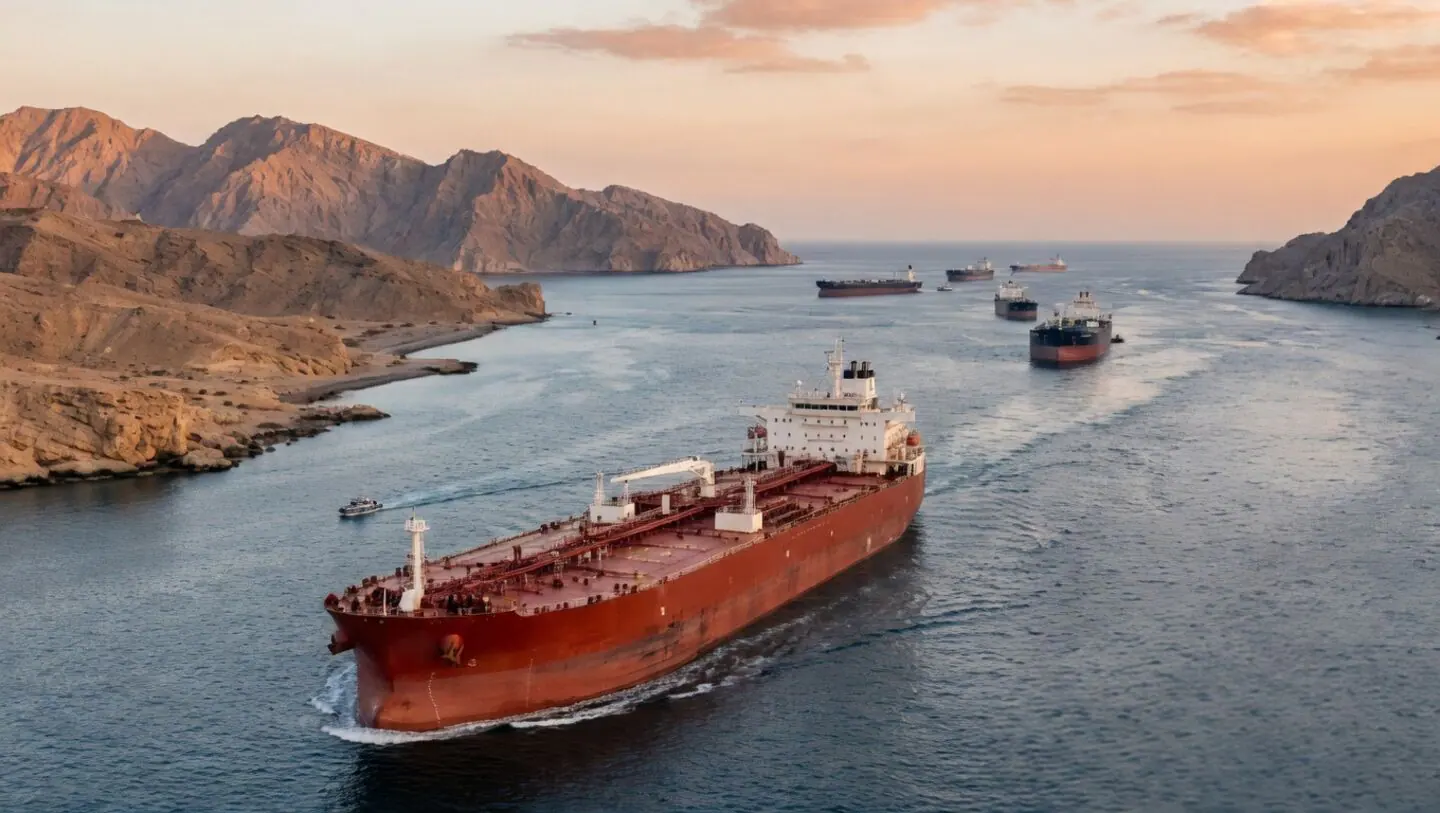
As part of the US Iran 2-Week Ceasefire Deal, Iran has agreed to allow controlled and coordinated passage through the Strait of Hormuz.
This will be managed by Iran’s armed forces, ensuring:
- Safe navigation for vessels
- Consideration of technical and security limitations
The reopening of this critical route is essential for global energy supply and trade stability.
Rising Human and Regional Impact
The ceasefire comes after weeks of intense conflict that have caused severe human and economic losses.
Key Impact Figures
- Over 1,900 deaths in Iran since the conflict began
- More than 1,500 deaths in Lebanon amid ongoing clashes
- Over 1 million people are displaced in Lebanon
The scale of the crisis highlights the urgency of reaching a lasting peace agreement.
A Fragile Path Toward Peace
While the US Iran 2-Week Ceasefire Deal represents a major diplomatic breakthrough, it remains fragile and highly conditional.
Key Risks
- Dependence on Hormuz reopening
- Ongoing regional conflicts, especially in Lebanon
- Uncertainty around long-term agreement
Final Thoughts
The US Iran 2-Week Ceasefire Deal offers a crucial opportunity to shift from conflict to diplomacy. However, its success will depend on strict compliance, continued negotiations, and mutual trust.
The coming two weeks could prove decisive in determining whether this temporary pause leads to lasting peace—or renewed escalation.