Table of Contents
Introduction: Hormuz Transit Fee Plan
A new clause in the recent ceasefire agreement has brought global attention to a controversial development—the Hormuz Transit Fee Plan proposed by Iran and Oman.
Under the two-week ceasefire arrangement, both nations may impose transit fees on ships passing through the strategically vital Strait of Hormuz—raising both economic hopes and international concerns.
Strategic Importance of the Strait of Hormuz
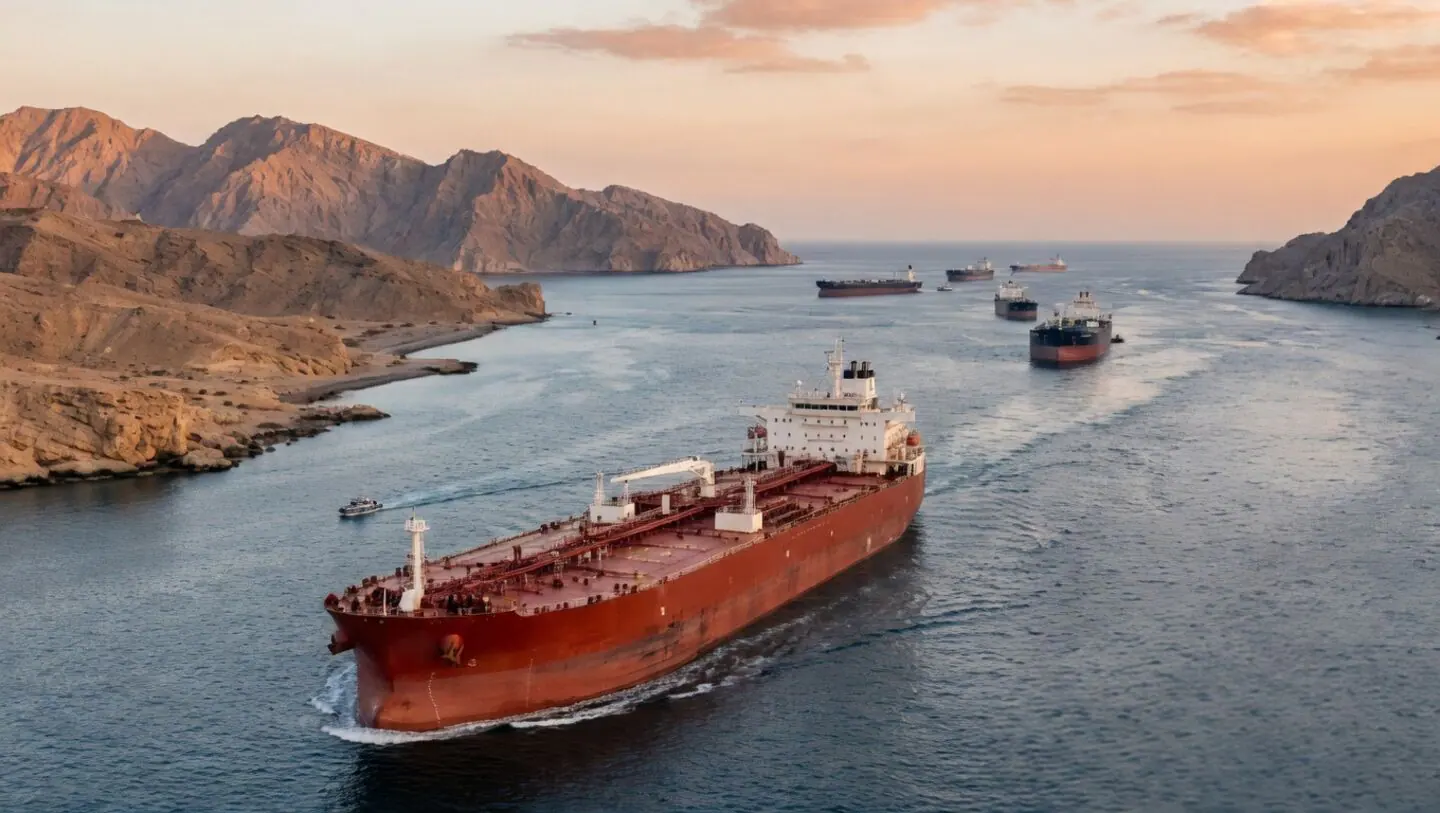
The Strait of Hormuz is one of the world’s most critical oil transit routes, carrying nearly 20% of global oil trade.
Stretching approximately 34 kilometres wide, the strait lies within the territorial waters of Iran and Oman. Despite its importance, no transit tolls have historically been imposed—making this move unprecedented.
Funding Post-War Reconstruction
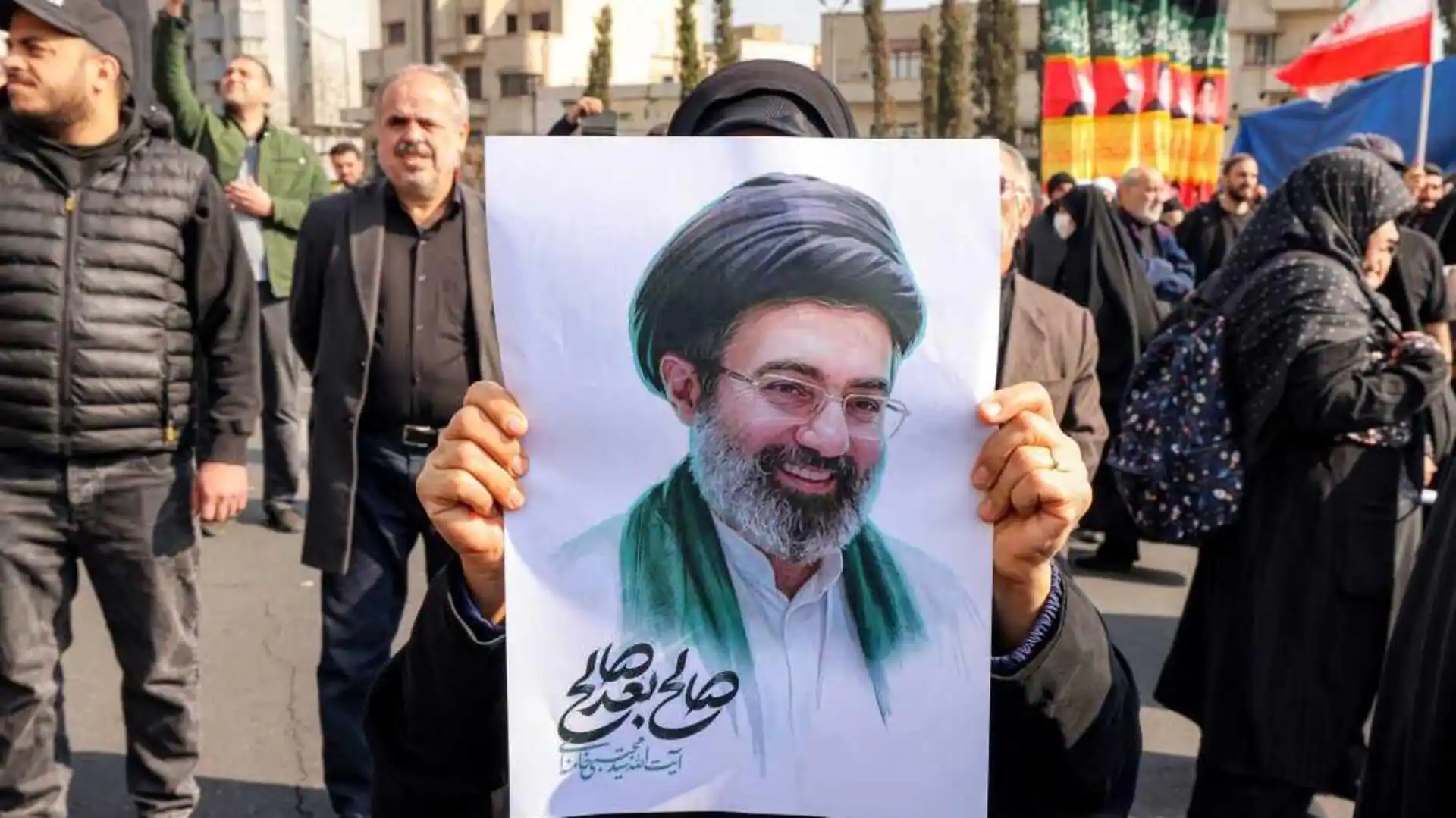
Iranian officials have stated that revenue generated under the Hormuz Transit Fee Plan will be directed toward post-war reconstruction efforts.
The prolonged conflict has severely impacted Iran’s:
- Defense systems
- Administrative infrastructure
- Civilian facilities
The ceasefire agreement, reached after nearly 40 days of conflict, includes Iran’s conditional reopening of the strait, which had remained largely closed since late February due to security threats.
US Optimism Over Ceasefire Talks
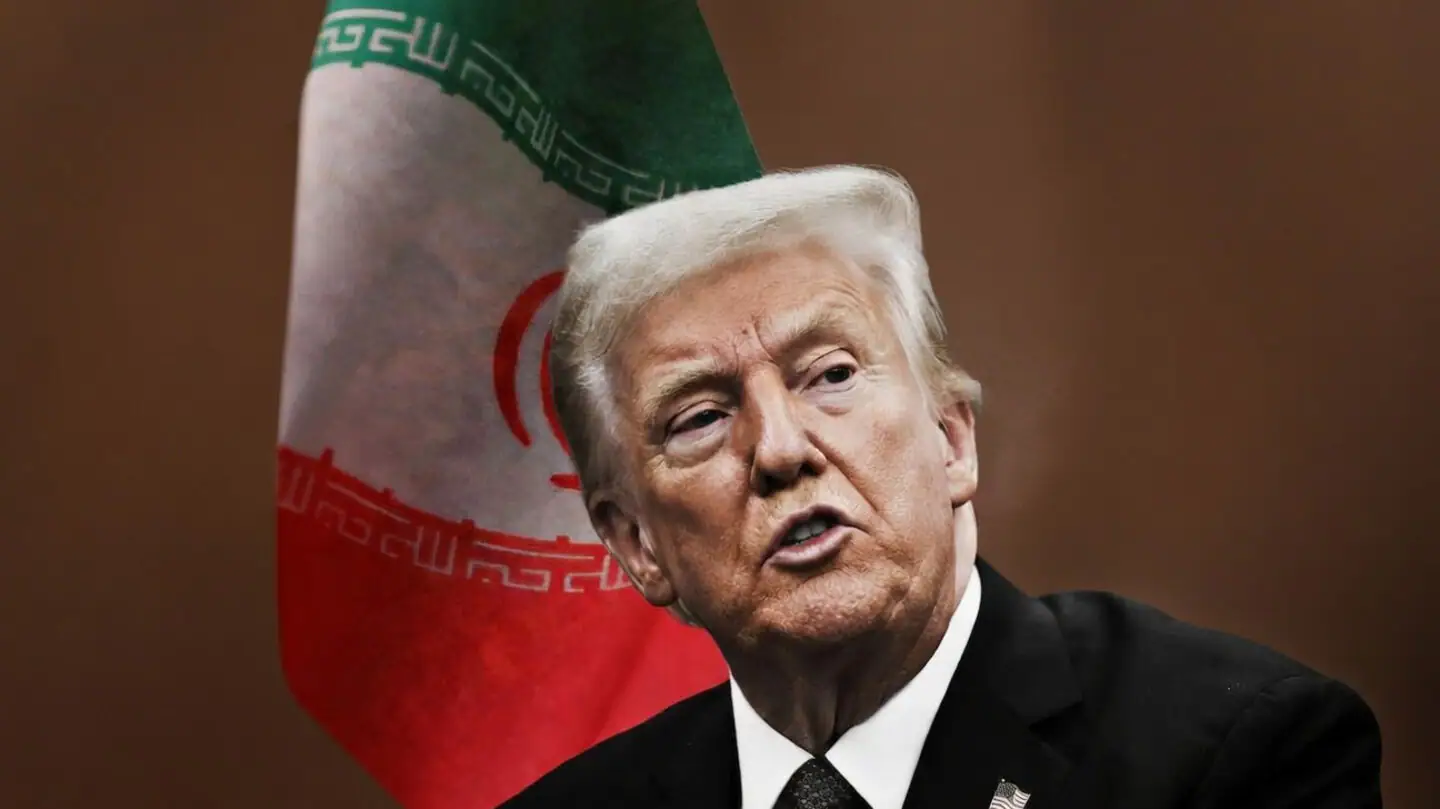
Donald Trump has expressed optimism about reaching a broader agreement during the two-week ceasefire window.
He described Iran’s proposal as a “workable basis” for negotiations, signalling potential progress toward long-term stability.
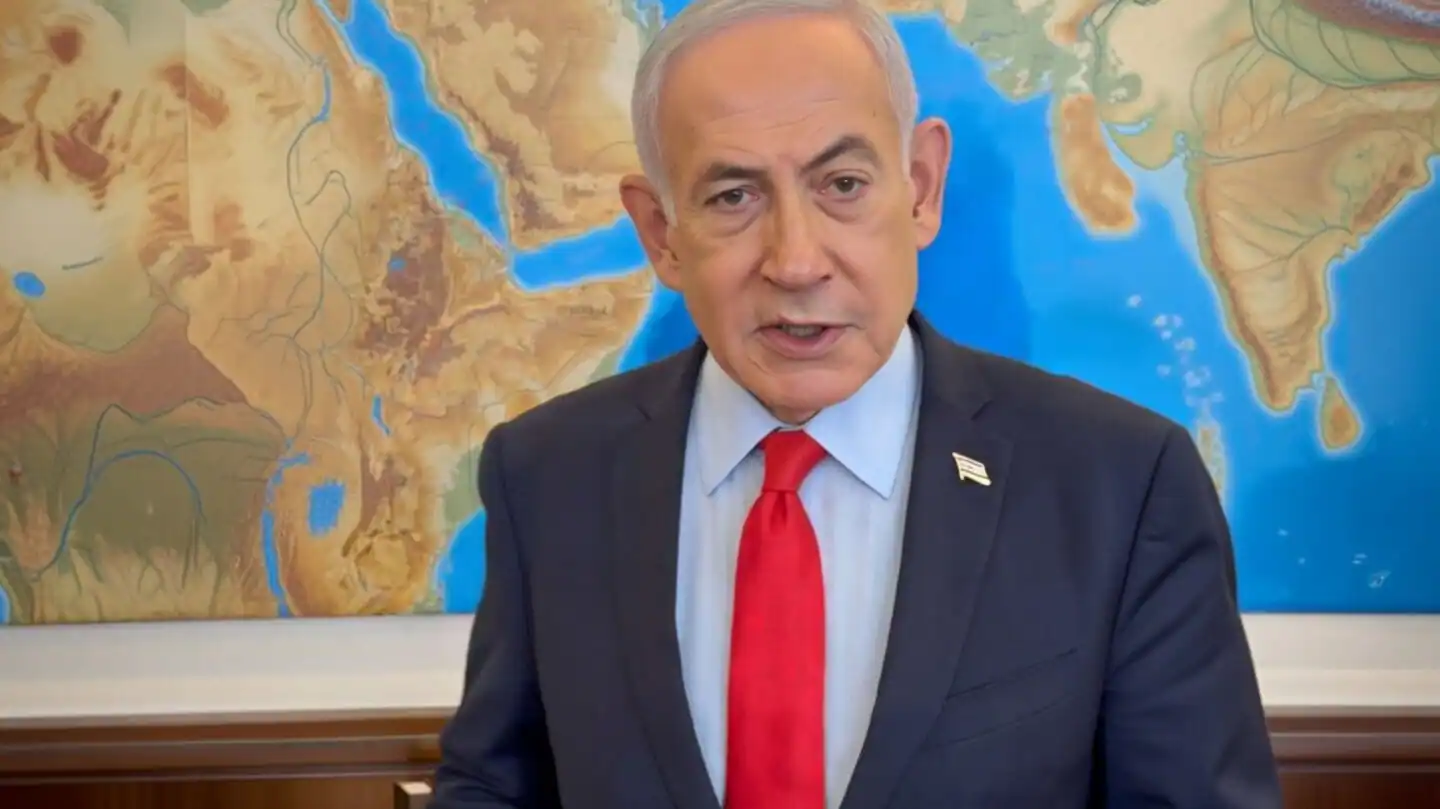
Further discussions involving the US and Israel are expected to take place in Islamabad, focusing on the future of the Strait of Hormuz and broader regional peace.
How the Transit Fee Will Work
Reports suggest that the Hormuz Transit Fee Plan will not follow a fixed rate. Instead, charges may vary depending on:
- Type of vessel
- Nature of cargo
- Current geopolitical and maritime conditions
Kazem Gharibabadi indicated that Iran is working with Oman to develop a structured protocol to regulate safe and organised transit.
Global Pushback and Concerns
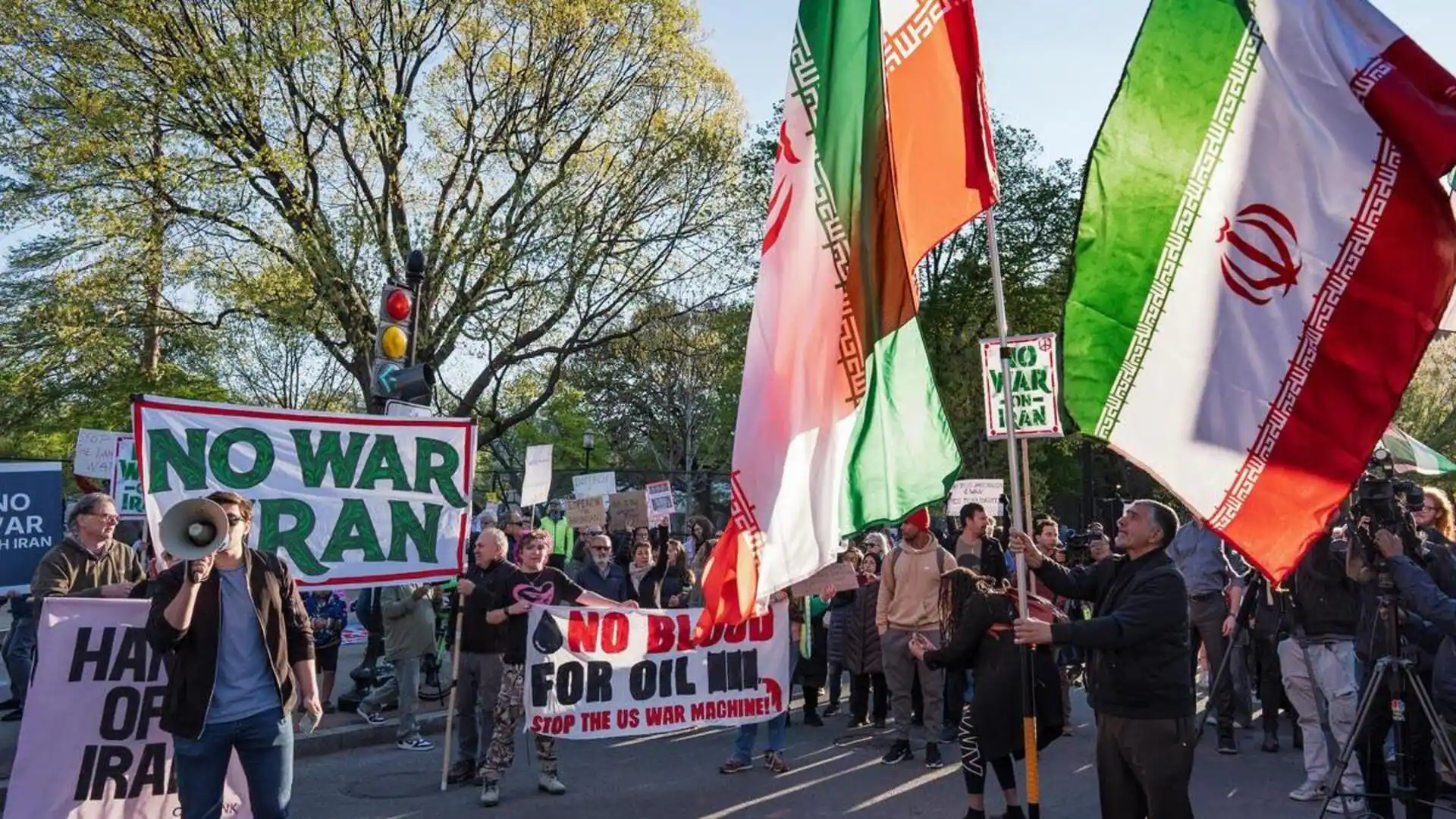
The proposal has sparked opposition from regional players such as the United Arab Emirates and Qatar.
These nations argue that:
- The Strait of Hormuz should remain open for free navigation
- Financial mechanisms should not be introduced during a fragile ceasefire
The move has raised fears of increased shipping costs and potential disruptions in global energy markets.
What International Law Says
Under the United Nations Convention on the Law of the Sea (UNCLOS), coastal states can impose limited service-based charges (such as for navigation assistance or towing).
However, they cannot charge fees simply for allowing passage through international waterways—making the Hormuz Transit Fee Plan legally contentious.
Reports have also emerged suggesting that some vessels may already have been charged up to $2 million for passage, though this remains unconfirmed.
Final Thoughts
The Hormuz Transit Fee Plan represents a bold yet controversial shift in maritime policy during a fragile ceasefire.
While it offers a potential revenue stream for reconstruction, it also risks escalating tensions and disrupting global trade flows. The coming weeks will be critical in determining whether this plan evolves into a structured policy or faces international resistance.