Table of Contents
Introduction: Iran 10-Point Proposal
A temporary breakthrough in tensions between the United States and Iran has brought global attention to a crucial diplomatic development—the Iran 10-Point Proposal.
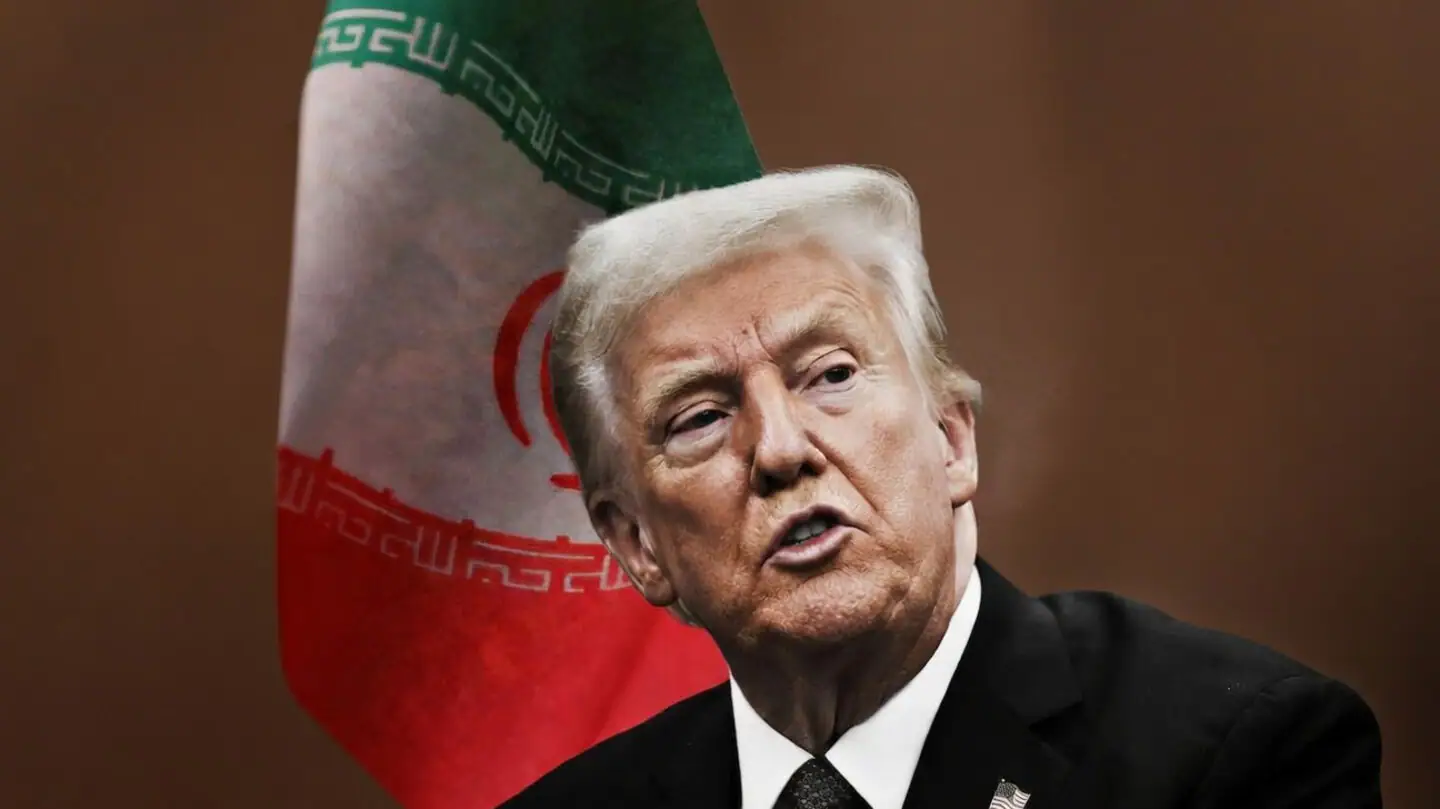
The two nations have agreed to a two-week ceasefire, reportedly brokered by Pakistan, setting the stage for high-level negotiations in Islamabad. According to Donald Trump, Iran’s proposal offers a “workable basis” for future discussions.
What Is Iran’s 10-Point Proposal?
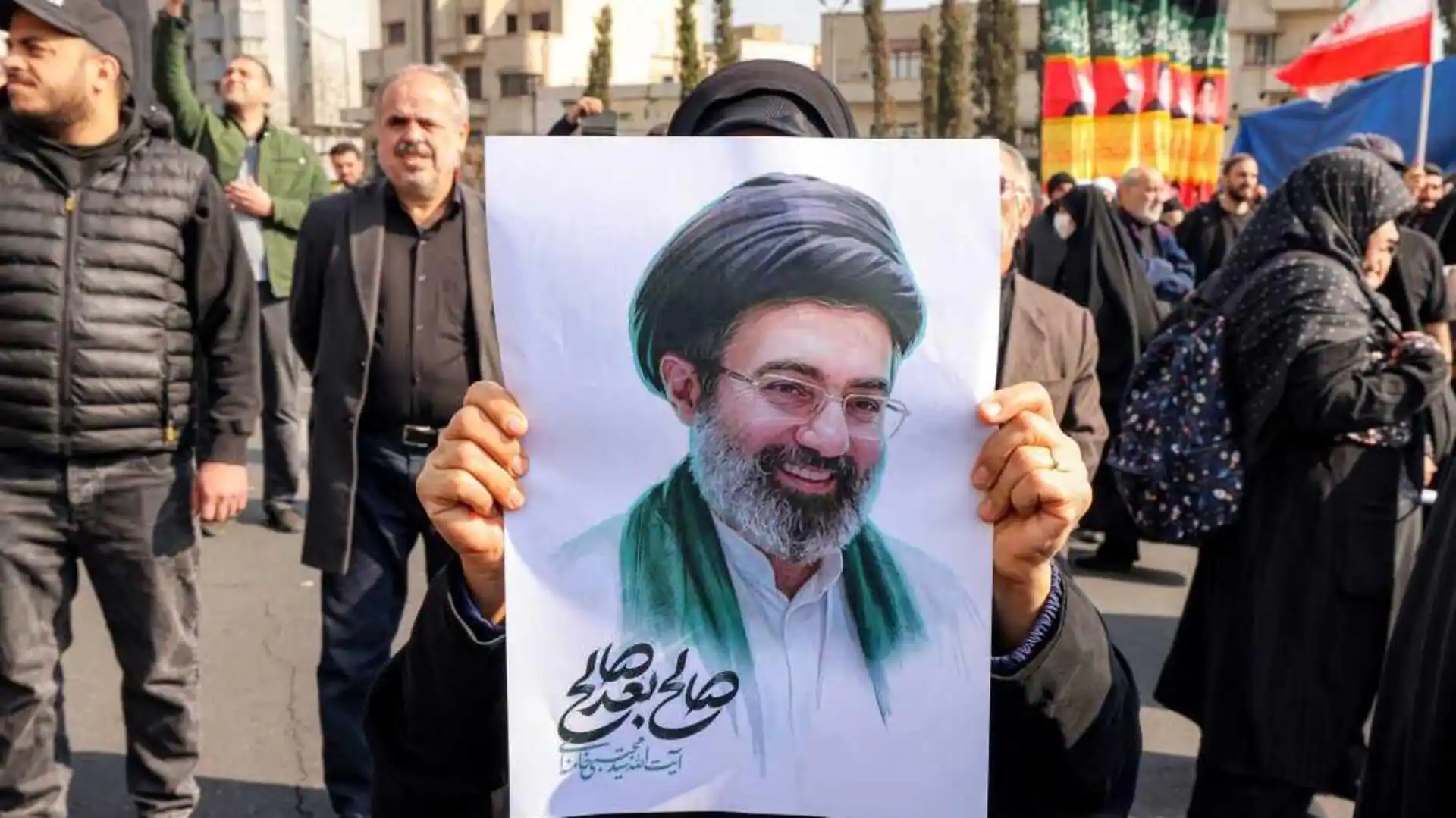
Although no official document has been publicly released, key elements of the Iran 10-Point Proposal have emerged through a summary linked to Iran’s security leadership.
The proposal outlines strategic, military, and economic conditions that Iran expects to be addressed as part of any long-term agreement.
Core Demands Include:
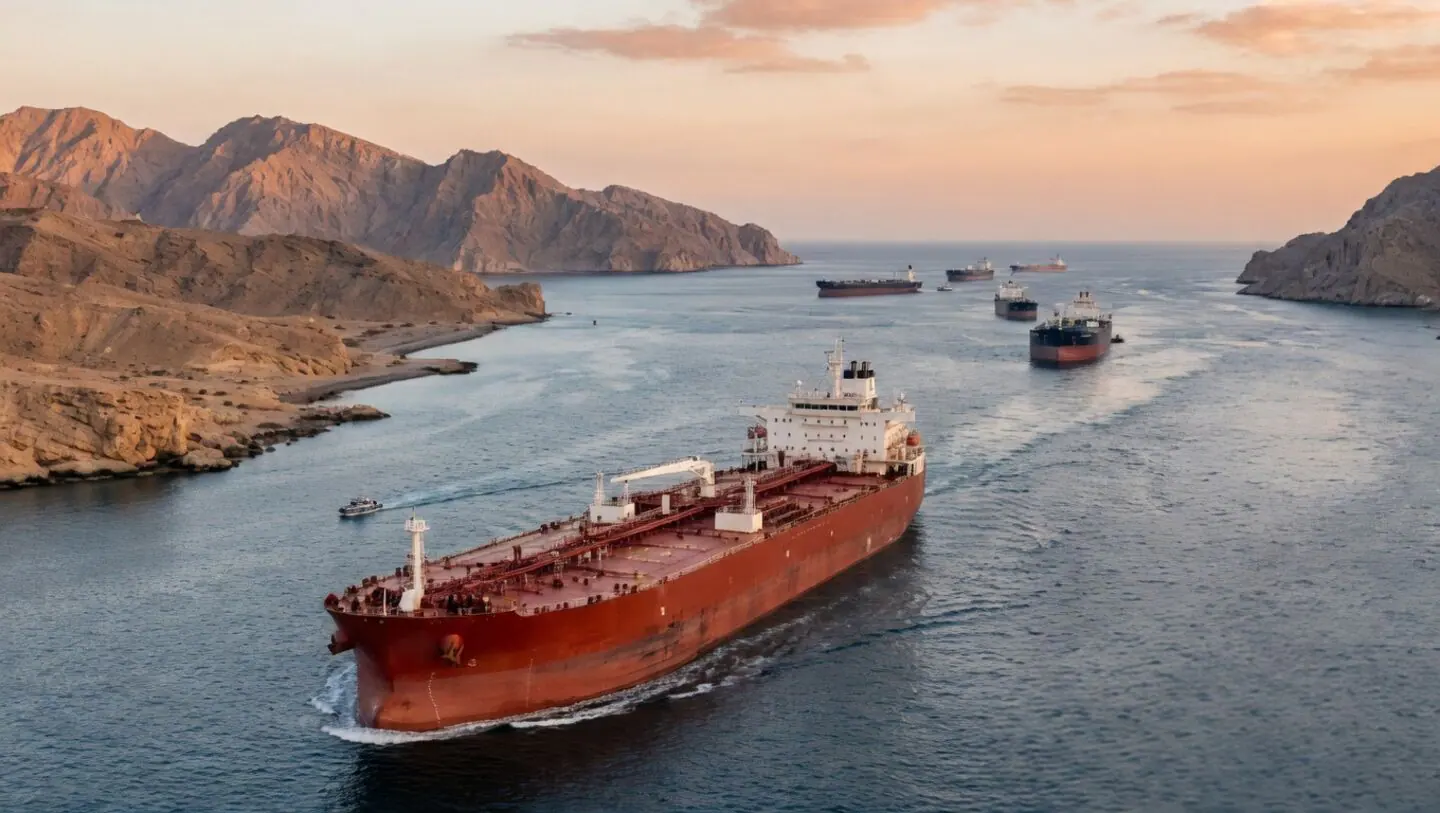
- Reopening the Strait of Hormuz under the coordination of Iran’s armed forces
- Ending military action against Iran’s allied regional groups (often referred to as the “Axis of Resistance”)
- Complete withdrawal of US forces from regional bases
- Implementation of a secure maritime transit system in the Strait of Hormuz
These demands reflect Iran’s focus on sovereignty, regional influence, and control over critical trade routes.
Additional Key Conditions
Beyond military and strategic concerns, the Iran 10-Point Proposal also includes significant economic and political demands:
- Full compensation for damages incurred during the conflict
- Removal of all primary and secondary sanctions imposed on Iran
- Release of Iranian financial assets held abroad
- Formal approval of the agreement through a binding UN Security Council resolution
These conditions highlight Iran’s intent to secure both immediate relief and long-term guarantees.
Ceasefire Depends on Mutual Restraint
Iran has made it clear that the ceasefire is not unconditional. The continuation of peace depends on reciprocal actions from Washington.
Abbas Araghchi emphasised that maritime stability will be a key component of the temporary agreement. This includes ensuring safe passage through the Strait of Hormuz under coordinated supervision.
Any violation or escalation could quickly derail the fragile truce.
High-Stakes Talks in Islamabad
The upcoming negotiations are expected to take place in Islamabad, with JD Vance leading the US delegation.
Pakistan’s role as a mediator positions it at the centre of this diplomatic effort, as both sides prepare for discussions that could shape regional stability.
Why This Proposal Matters
The Iran 10-Point Proposal is more than a negotiation document—it represents a potential roadmap for de-escalation in one of the world’s most sensitive geopolitical regions.
Potential Outcomes:
- Stabilisation of global oil supply routes
- Reduction in regional military tensions
- Economic relief for Iran
- Strategic recalibration of US presence in the Middle East
However, the complexity of the demands means that reaching a final agreement will require significant compromise from all parties involved.
Final Thoughts
The Iran 10-Point Proposal stands at the heart of a fragile yet critical ceasefire. While it offers hope for diplomacy, the path forward remains uncertain.
The upcoming talks in Islamabad will determine whether this proposal becomes a historic peace framework or just another missed opportunity in a long-standing conflict.